A pipe just burst in my Denver house. What do I do first?
Shut off the main water valve, turn off power to wet areas if it's safe, move valuables, take photos, and call for help. Avoid walking through water near outlets or appliances.
Pipe burst? Shut off the water first.
How emergency water extraction and structural drying usually work after burst, frozen, or failed pipes in Denver homes and buildings, and what to ask before anyone starts.
1
Usually in the basement or crawl space where the water line enters, near the meter. Turn it clockwise until it stops.
2
Switch off breakers for wet rooms from a dry spot. Stay out from under sagging ceilings.
3
Call a licensed plumber to fix the pipe, then a restoration company you have checked if floors, walls or ceilings got wet. Call 911 if anyone is hurt.
No phone line yetcase log
| # | Situation | What happens |
|---|---|---|
| 01 | Frozen pipe in a 1920s bungalow | A supply line in an exterior kitchen wall freezes during an arctic cold snap and splits, flooding the kitchen and the basement below once it thaws. |
| 02 | Condo supply line at 2 a.m. | A toilet supply line fails overnight in an upper-floor condo, and water reaches the unit below before anyone wakes. |
| 03 | Vacant rental in winter | A landlord discovers a burst pipe in a vacant rental between tenants after the heat was set too low. |
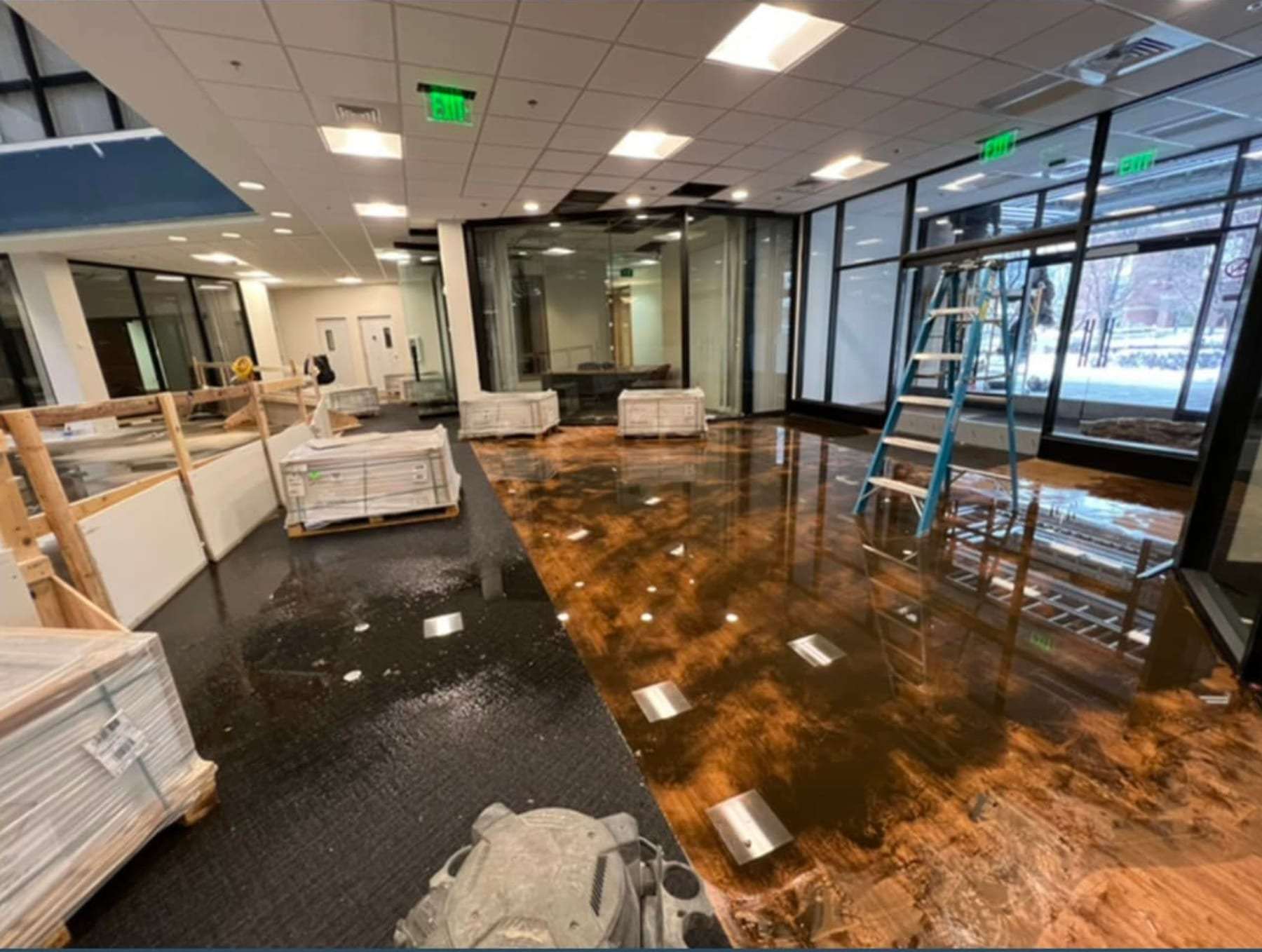
A burst supply line can release a large volume of water in a short time, and because the water is under pressure, it doesn't stop until the valve is closed. It runs through ceilings, down walls, and under flooring, often reaching rooms and floors far from the break.
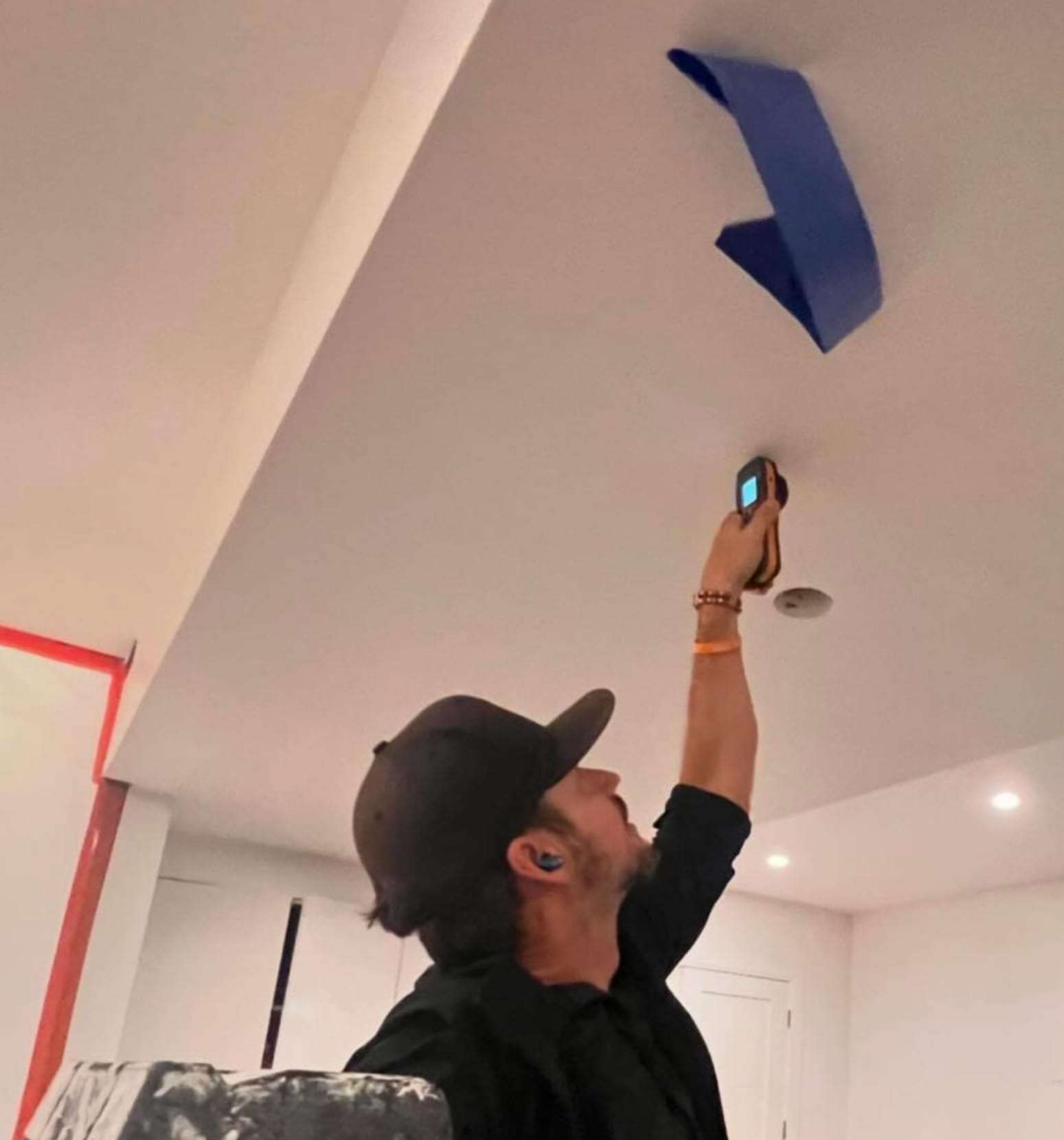
A typical response to a pipe failure includes water extraction, removal of materials that can't be dried, and structural drying monitored with moisture readings. Ask what equipment will be used (truck-mounted extraction units, air movers, dehumidifiers, and moisture meters are common) and who will be on site.
Frozen pipes in exterior walls, garages, or crawlspaces that split during a cold snap.
Aging galvanized or copper supply lines that develop pinhole leaks.
Failed compression fittings and supply lines under sinks and toilets.
Burst lines in unheated areas of vacant or seasonal properties.
Fire sprinkler line failures in commercial and multifamily buildings.
Denver's winters are often mild, but arctic air masses can push temperatures well below zero for days at a time. Those cold snaps are when pipes in exterior walls, unheated garages, crawlspaces, and attics freeze. Many of the city's older homes, from Victorian-era houses to bungalows and post-war ranches, have plumbing runs in places that weren't built with modern insulation.
Older supply piping is another factor. Galvanized steel corrodes from the inside, and early copper can develop pinhole leaks. A licensed plumber can evaluate aging pipes, and a restoration company can address the water damage when one fails.
ZIP codes served: 80203 (Denver), 80218 (Denver), 80202 (Denver), 80205 (Denver), 80206 (Denver), 80204 (Denver), 80209 (Denver), 80211 (Denver), 80223 (Denver), 80216 (Denver), 80220 (Denver), 80246 (Denver), 80207 (Denver), 80212 (Denver), 80219 (Denver), 80210 (Denver), 80230 (Denver), 80224 (Denver), 80222 (Denver), 80266 (Denver), 80238 (Denver), 80247 (Denver), 80236 (Denver), 80231 (Denver), 80237 (Denver), 80235 (Denver), 80239 (Denver), 80249 (Denver).
Also nearby: 80214, 80221, 80226, 80010, 80232, 80110, 80113, 80033, 80030, 80215, 80003, 80002, 80045, 80227, 80014, 80123.
The goal is to remove water quickly and dry the structure, with documentation your insurer can review.
| Step | Stage | What happens |
|---|---|---|
| 01 ── | First call | A restoration company usually asks about the break and what's wet before sending a crew. |
| 02 ── | Inspection | Technicians confirm the water is off and map wet materials with moisture meters. |
| 03 ── | Extraction | Standing and absorbed water is removed with extraction equipment. |
| 04 ── | Drying | Air movers and dehumidifiers are placed and readings are taken until materials are dry. |
| 05 ── | Restoration | Damaged materials are repaired or replaced once the structure is dry. |
They solve different problems. A burst pipe in a finished home usually needs both, often on the same day.
Guides and worked examples on frozen lines, shutoffs and drying.
Shut off the main water valve, turn off power to wet areas if it's safe, move valuables, take photos, and call for help. Avoid walking through water near outlets or appliances.
Sudden pipe bursts are often covered, but policies vary, and freezing damage in an unheated or vacant home may be excluded. Your insurer makes the coverage decision.
Many clean-water losses take several days to dry. Water inside walls, under hardwood, or across multiple floors can take longer. Moisture readings determine when drying is complete.
Yes. A plumber repairs the pipe; a restoration company removes the water and dries the structure. Both are often needed the same day.
Drywall wet with clean water can often be dried if work starts quickly. Drywall that's sagging, crumbling, or wet for an extended time is usually replaced.
Many advertise round-the-clock phones. Ask whether calls go to the company's own staff or an answering service, and how soon someone can realistically arrive.
Shut off the water first; that stops the damage no matter who comes. Then call both if water has soaked into floors, walls or ceilings: the plumber repairs the pipe, and the restoration company extracts water and dries the structure. If only the pipe is broken and nothing got wet, a plumber alone is enough.
Ask who will arrive and roughly when, whether employees or subcontractors do the work, and whether the technicians hold IICRC certification for water damage work.
A Denver guide to burst-pipe damage. Ask any restoration company whether employees or subcontractors will do the work.
intake call
A good first call is triage. These questions decide what equipment and crew size the job needs and what you should do in the meantime. Having the answers ready speeds things up.
This form is not connected. This website is a draft preview: no business has been confirmed to receive requests, so the fields below are switched off and nothing can be sent. In an emergency, call 911.
Shut off the water, make wet areas safe, take photos, call your insurer, and choose a plumber and a restoration company you have checked. Call 911 if anyone is hurt or a ceiling is sagging.
No phone line yet